
AI in internal communications: why the human factor still matters

Your comms team’s been cut. Again. And someone in a meeting has asked the question: “Can’t AI just do the comms?”
Honestly? Some of it, yes. But not the bit that matters most.
I made a short video about it, which you can watch below. This post goes a bit further: where AI helps comms teams, where it falls flat, and why people still make the difference.
Can’t AI just do the comms?
It’s a fair question, and plenty of boardrooms are asking it. Budgets are tight, teams are shrinking, and the tools are sitting right there in Outlook, Teams and Word.
Comms people are using them too. ContactMonkey’s Global State of Internal Communications report found 77% of internal communicators now use tools like ChatGPT or Copilot. And in Ragan’s 2026 Communications Benchmark Report, two-thirds of communicators said AI saves them time.
So the question isn’t whether to use AI in internal comms. It’s who’s steering it.
Where AI helps internal comms teams
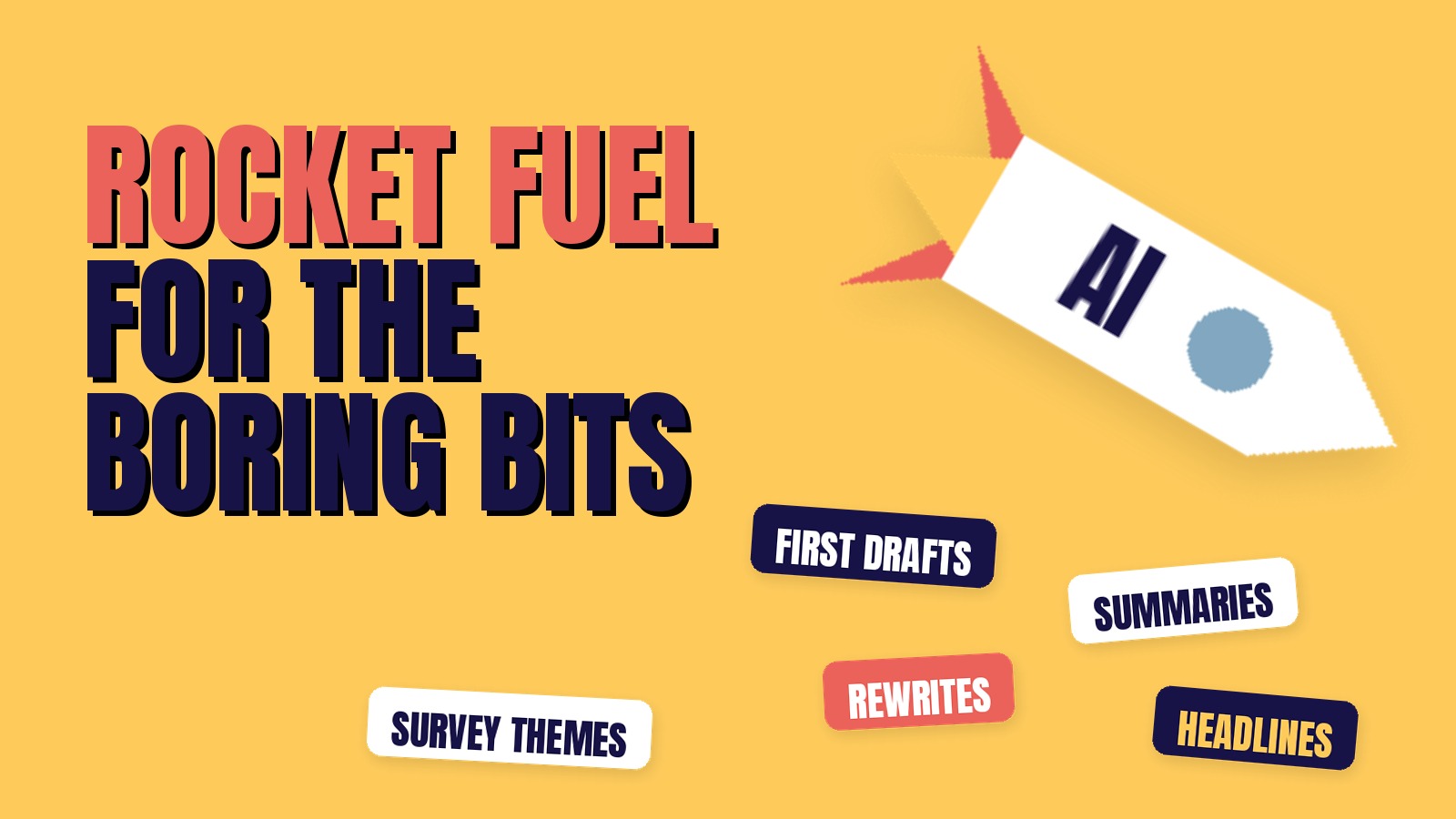
AI is a useful tool, and I’m not going to pretend otherwise. Used well, it’s rocket fuel for the boring bits:
- first drafts of routine updates, FAQs and briefings
- summarising long documents, policies and meeting notes
- reworking one message for different audiences and channels
- tightening copy and checking readability
- coming up with headline and subject line options
- pulling themes out of survey comments, ready for a human to dig into
That frees up time for the work only people can do. Which is exactly where it can go wrong.
Rocket fuel with no steering wheel
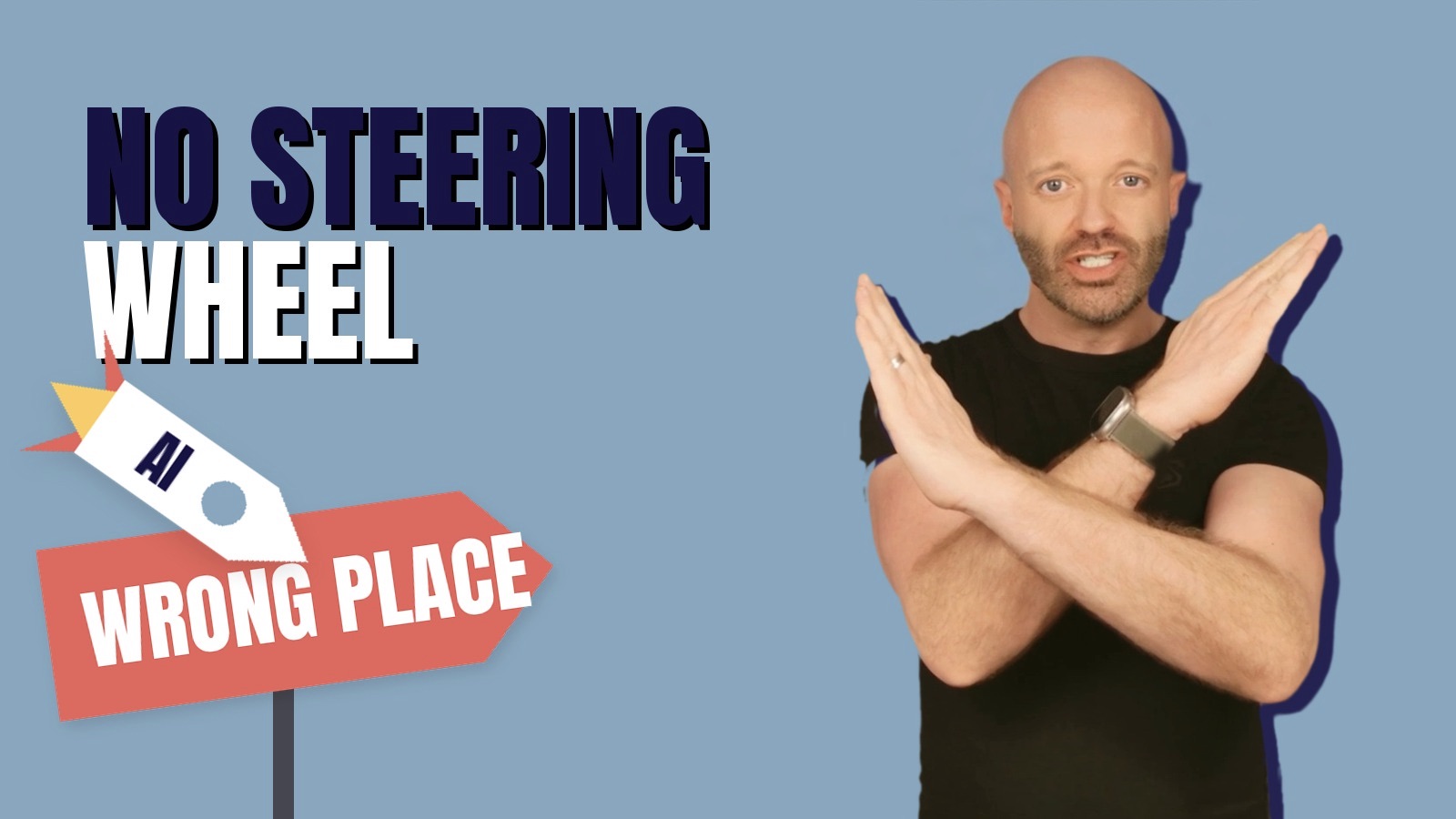
Rocket fuel doesn’t come with a steering wheel. Point it the wrong way and you just get to the wrong place quicker.
Ragan found the most common thing communicators do with the time AI saves them is… create more content (49%). Only about a third put it into strategic planning. And 32% say AI isn’t saving them any time at all. Anyone who’s spent an afternoon fixing an AI draft will understand why.
Your people don’t need more messages. They need the right ones.
Why AI comms can look great and say very little
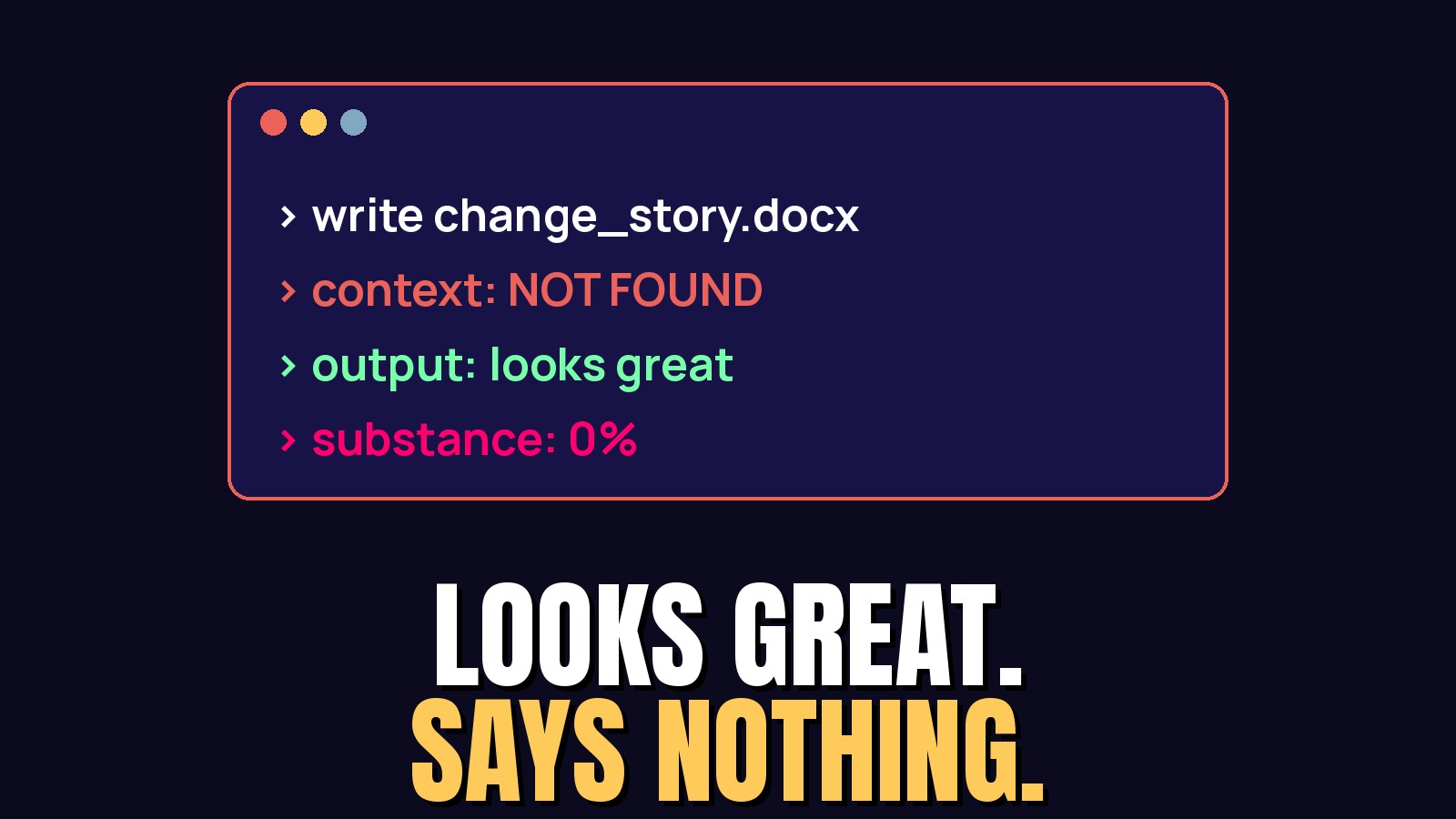
Ask AI for a comms plan, a change story or a campaign with no context and you’ll get something that looks great. It’ll be polished and well laid out.
Read it properly, though, and a lot of it is… well, I had to bleep that bit in the video. It’s generic, it plays safe, and you could swap your logo for anyone else’s and nobody would notice.
That’s because AI works from patterns, not from knowing you. Ask it for a change story and you’ll get the average of every change story it’s ever seen. And average comms is exactly what people have learned to scroll past, which is a big part of why so many employees don’t read internal comms in the first place.
What AI doesn’t know about your organisation
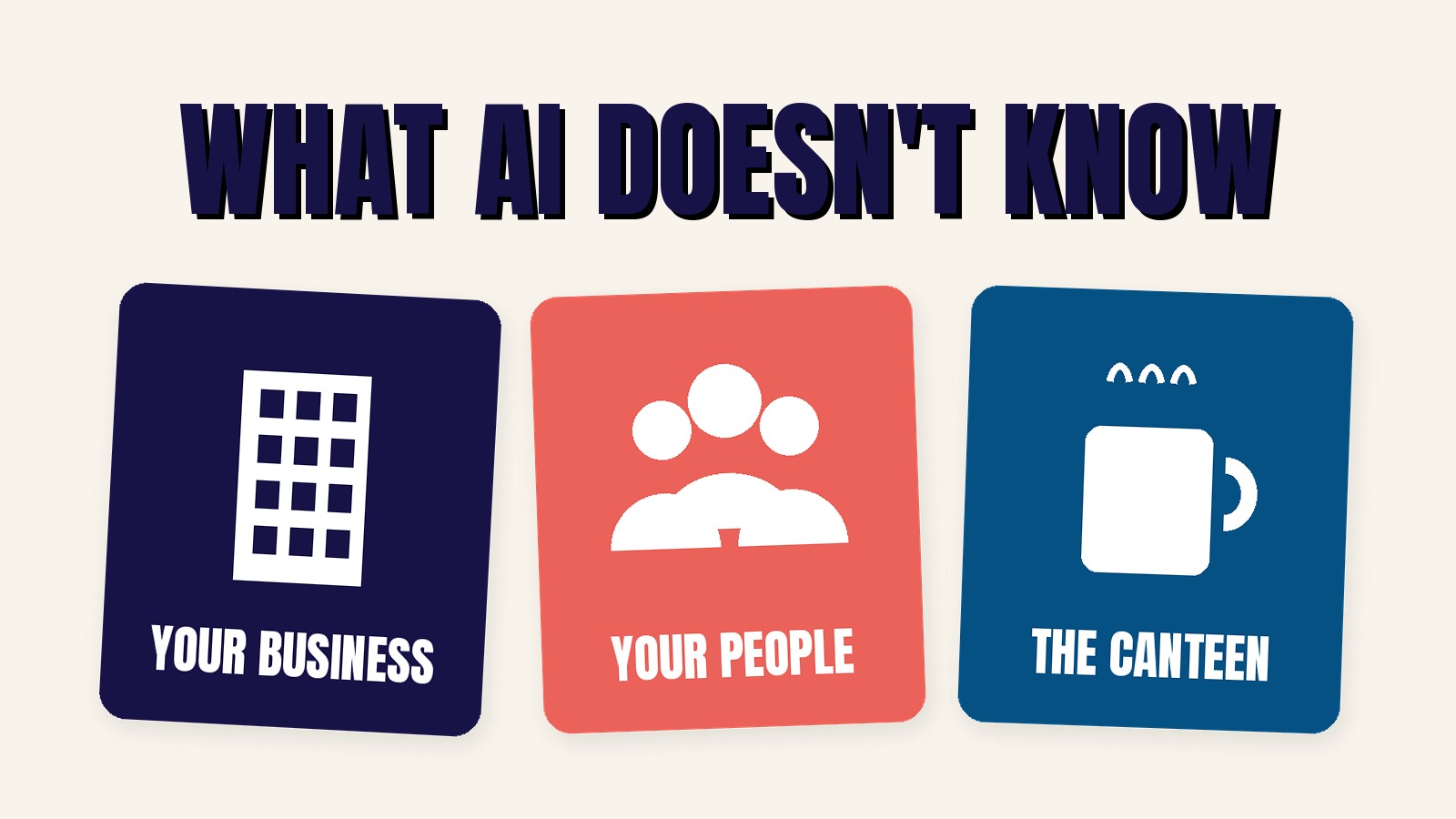
That’s not AI’s fault. It just doesn’t know:
- Your business: the strategy, the pressures, the history, and the things leaders can’t say out loud yet
- Your people: who’s anxious, who’s sceptical, which teams feel forgotten, and how the frontline really hears messages from head office
- The canteen: what’s actually being said, the rumours, the mood, and the last change that went badly and still stings
That’s the stuff that makes a message land, and you won’t find it in a prompt.
The human factor: what only people can do
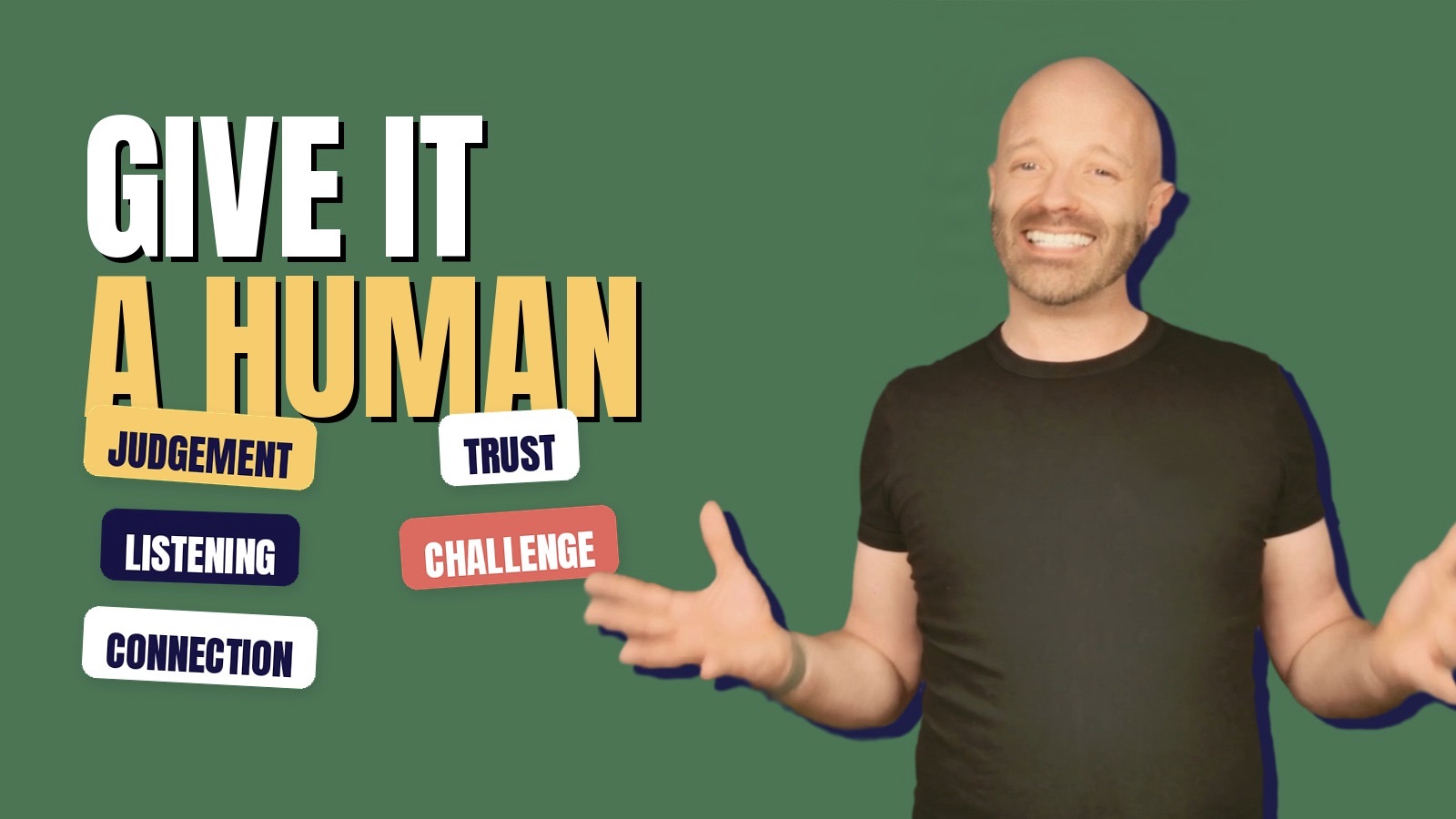
However good the tools get, some parts of internal comms stay firmly human:
- Judgement. Deciding what to say, what not to say and when to say it. Knowing when a message needs a leader’s voice rather than another email.
- Trust. People want to hear from people they trust. If a message reads like a machine wrote it, people notice, and they switch off.
- Listening. Reading the room, picking up on what isn’t being said, and spotting the gap between what leaders think and what employees feel.
- Challenge. Pushing back on a leader, a plan or a first draft that won’t land. AI tends to give you what you asked for, not what you need.
- Connection. Tying every message back to what the business is trying to achieve, so comms is doing a job rather than just keeping busy.
So a smaller comms team doesn’t need less expertise. If anything, it needs more.
How to use AI well in internal communications
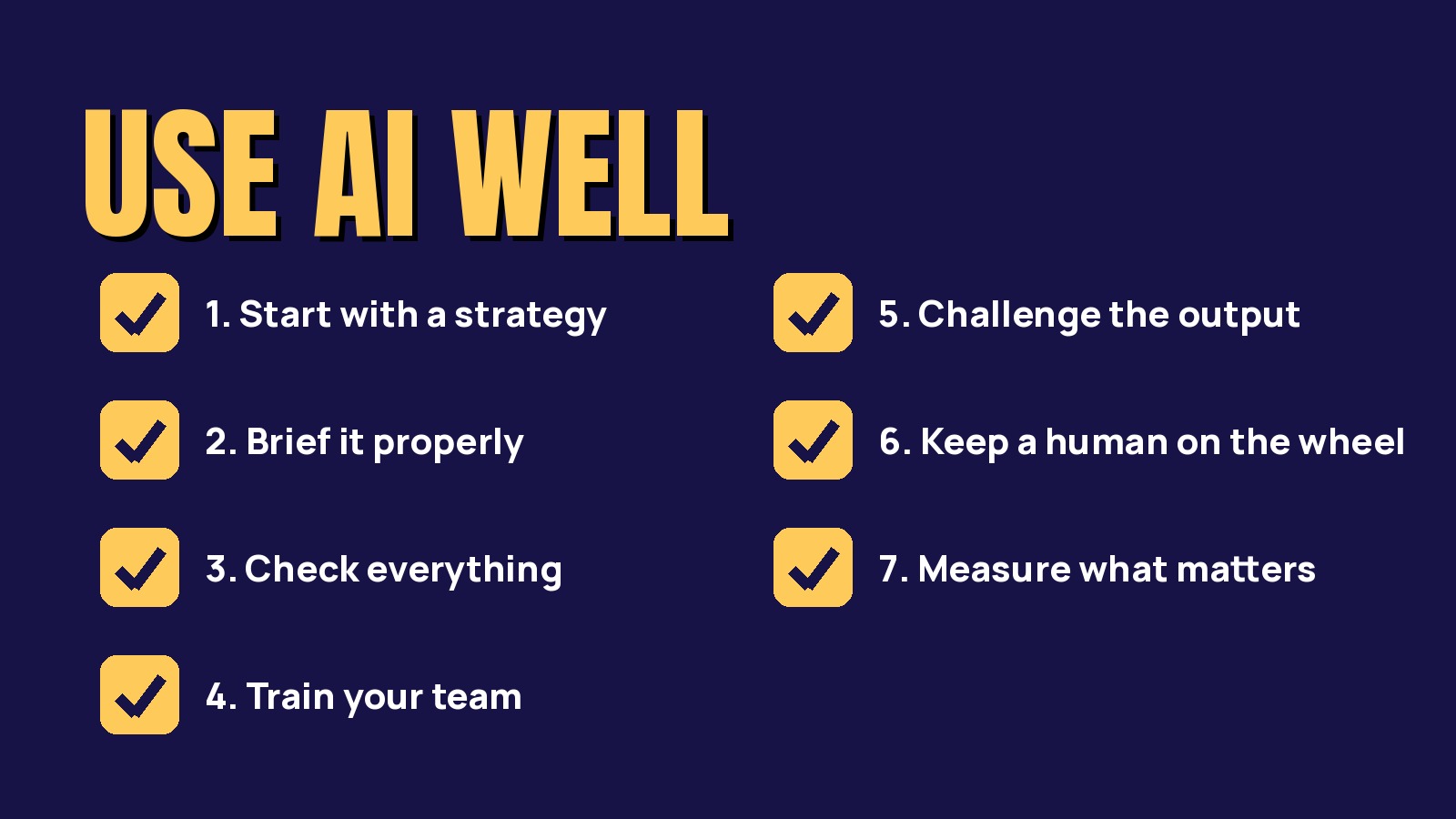
After 25 years in internal comms, this is what I’d tell any team trying to make AI work for them:
- Start with a strategy, not a prompt. If you don’t know your audiences, key messages and objectives, AI won’t either. A clear internal communications strategy gives it something worth working from.
- Brief it properly. Tell it who the audience is, why you’re writing, the tone you want, and what people should know, feel and do afterwards.
- Check everything. Facts, names, figures and tone. Your name’s on it, not the tool’s.
- Train your team. Don’t just switch it on and hope. Show people how to brief it, question it and edit what comes back. We’ve written a blog post on using AI at work well that’s a good place to start.
- Challenge the output. Would this land with our people? Is it true? Does it sound like us? Would I put my name to it?
- Keep a human hand on the wheel. Let AI do the legwork. Keep the thinking, the judgement and the relationships for people.
- Measure what matters. Judge AI on whether your comms work better, not on how much more you churn out. Here’s how to measure internal comms without vanity metrics.
For more on this, see our do’s, don’ts and “absolutely not” of AI in internal comms, and how to talk about AI without scaring your workforce.
Will AI replace internal comms teams?
Not the good ones. Three questions that come up a lot:
Will AI replace internal communications?
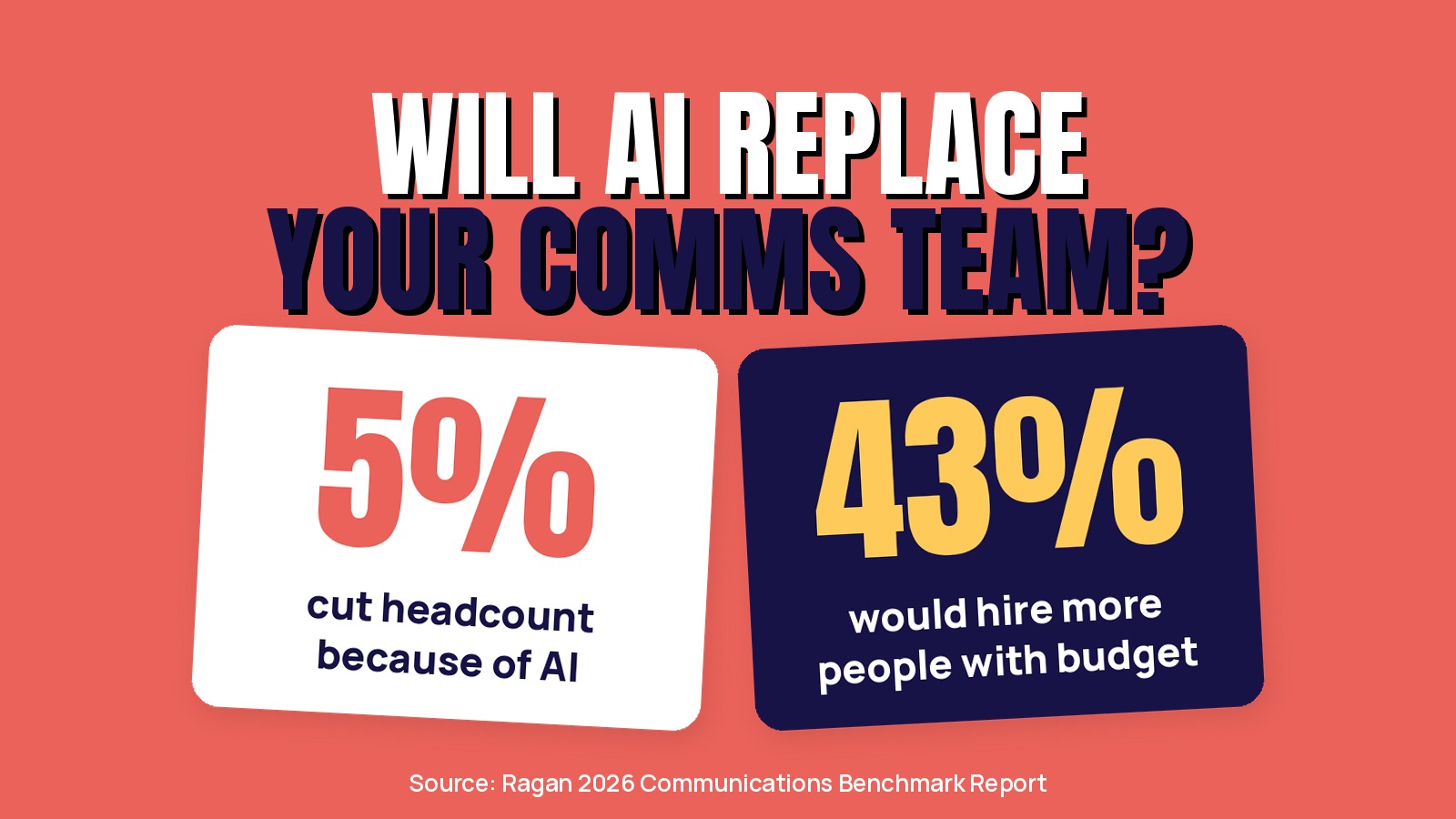
It’ll take over some tasks, and that’s no bad thing. It won’t replace the person who understands the business, has the trust of leaders, knows the people and can tell a story that lands. Only 5% of communicators in Ragan’s research had reduced headcount because of AI.
Is it OK to use AI for internal comms?
Yes, as long as a person stays in charge. Use it for drafts, summaries and versions, then check, edit and own everything that goes out.
What can’t AI do in internal communications?
It can’t read the room, build trust, challenge a leader or know what’s being said in your canteen. You need someone who knows your organisation for that.
If anything, good comms people are worth more now, because there’s so much more noise to cut through. Ragan found that, given more budget, 43% of communicators would hire more people. Only 13% would buy more AI tools.
So, is AI making your comms better, or just creating more noise?
That’s the question I asked in the video, and I’d love to know your answer.
If your comms team has been cut and AI is filling the gap, it might be time for a sense check. That’s the sort of thing we help with at The Comms Guru: the strategy, plans and skills that put people first, with AI used properly.
Book a free discovery call, or drop me a message on LinkedIn. My DMs are open.
Sources
Keep reading


Let’s work together

Kick-ass comms. No corporate nonsense.
Guru Mail
Internal comms, minus the blah. In your inbox.
Roughly monthly. A template you can use, a straight opinion and the best thing we have read.
Sign up nowWhat we do
Pick a solution
How we work
Resources


 Certified Members of the Institute of Internal Communication